In a business world driven by constant change and digital innovation, the ability to stay organized and productive has become a defining factor in achieving consistent growth and operational excellence. It has become essential for businesses striving to remain competitive and achieve sustainable growth. If you run a growing startup, corporate office, or large enterprise, the right office automation solutions have become a catalyst for success. But how do you select a solution that best matches your business objectives and operations, especially with so many available in Mumbai?
From seamless document management and workflow to enhanced communication and goodbyes to tedious chores, office automation is a major business productivity and growth driver, and the right technology solution can help you save a lot of time while improving accuracy, cooperation, and performance.
Upgrading your workplace and maintaining a competitive edge begins with choosing effective office automation solutions in Mumbai. In this guide, we’ll search the top choices out there, their core features, and how they can help your company to build a smarter, more efficient, and future-proofed workplace.
What is Office Automation and Why Modern Offices Need It
The Shift Toward Smart Workspaces
Walk into any modern office today and you’ll immediately feel the difference. Better furniture or faster internet is not enough. It’s about the synergy of them all. Lights adjust on their own. Doors open with no touch. The meeting room is prepped. That’s office automation in action.
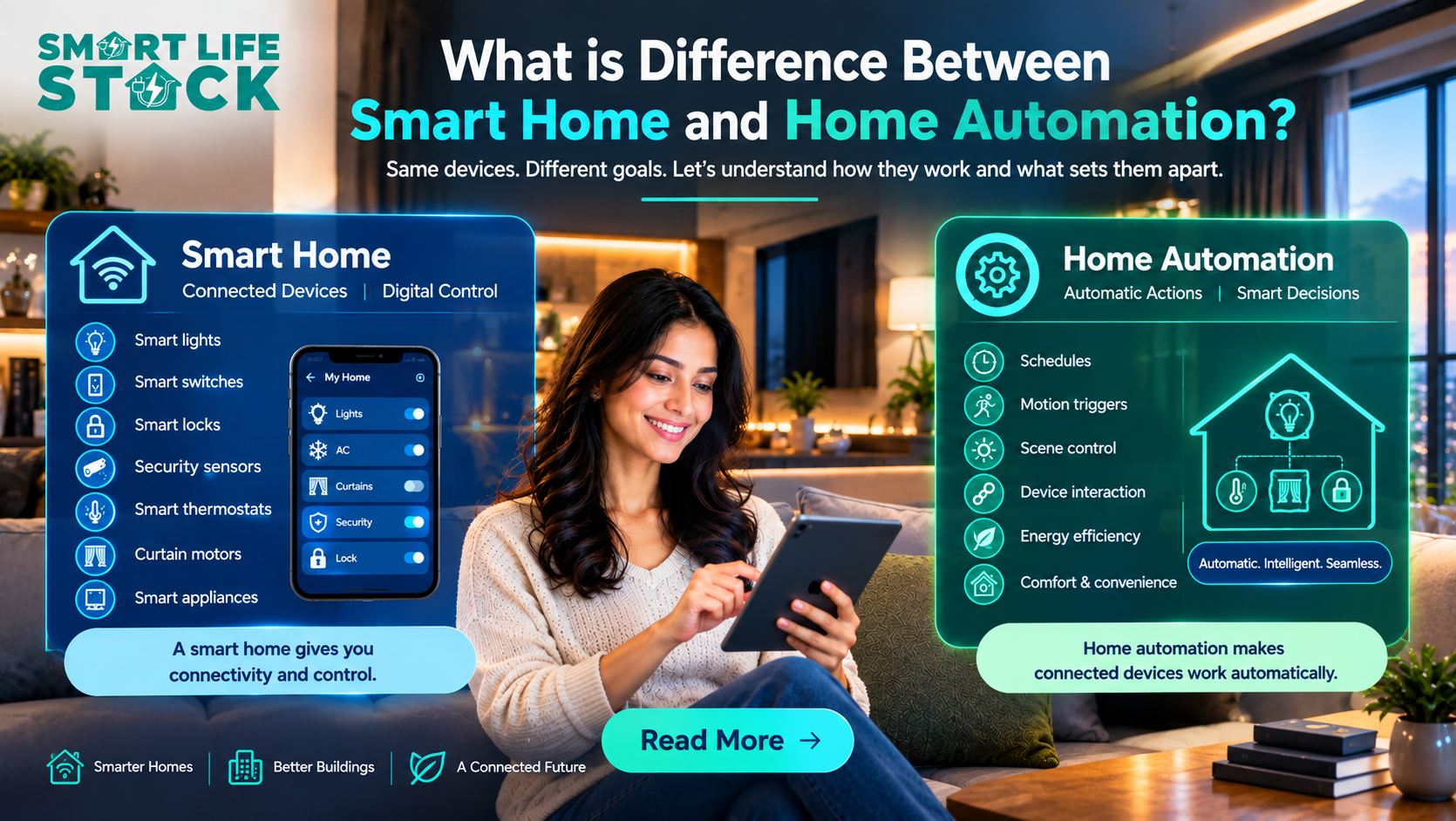
An office automation system links devices, sensors, and software so the workplace can react to what people actually need in real time, without a manual touch. A majority of the processes run smoothly in the background without interruption.
Why is this happening now? Some factors:
Their objective is to improve efficiency and speed. Money is a real concern when it comes to energy expenses. Employees benefit from a more comfortable work environment with reduced distractions. And IoT has made smart systems truly affordable.
The traditional office, where you manually control everything, is fading out. What’s replacing it is smarter, more responsive, and far more practical.
How Automation Actually Helps Employees Work Better
Let’s be real. Productivity isn’t just about skills or deadlines.
It also depends on your environment. And that’s exactly where office automation could do something useful.
Picture entering a building with lights automatically set to the appropriate level for that time. The system regulates the temperature automatically, ensuring a comfortable environment without manual intervention.
The meeting room is ready before you even arrive. No interruptions. No switching things on or off manually.
You can’t forget these little things.
When unnecessary interruptions and environmental obstacles are reduced, employees are able to work with greater focus. Creativity improves. Job satisfaction improves when the workspace feels supportive and works in harmony with employees instead of creating obstacles.
Simple examples:
- Good lighting reduces eye strain, which matters after 6+ hours of screen time
- Smart climate control keeps the office comfortable without any effort
- The new schedule eliminates the daily headache of booking rooms and equipment
- When a system runs well, people perform well. It’s that simple.
Why Mumbai Businesses Are Adopting This
In a fast-paced city such as Mumbai, both time and space are highly valuable resources. Every inefficiency carries a cost, and businesses are now paying closer attention to it.
The new scheduling system takes the tedium out of room and equipment scheduling
People work better when the process is smooth.
Better efficiency. Manual tasks get automated. Systems run continuously without needing someone to manage them.
Resource management that actually works. Energy is used only when needed. Smart controls eliminate waste, which directly reduces electricity bills.
A better workplace experience. Employees feel comfortable. Visitors see a professional, thoughtfully designed space.
Room to grow. Office automation systems are easy to scale. Built to scale as your business expands.
In fact, for businesses already invested in staying competitive on Mumbai’s speed, this is less of a luxury and more a worthwhile investment.
Smart Lighting: Not Just Light Activation
Zone-Based Control
The lighting needs of an office can vary from one space to another. And good lighting automation systems understand that.
With a correctly implemented office automation setup, lighting can be controlled zone by zone. Workstations get focused, bright light. Meeting rooms can dim during presentations. Reception stays warm and welcoming. Corridors stay minimal. Each area adapts to how it’s being used.
Less glare. Less eye strain. Better atmosphere without anyone thinking about it.
Occupancy-Based Lighting
Why illuminate a space when no one is there to use it?
With motion sensors, they don’t. Lights switch on when someone enters and automatically turn off when the room’s empty. It’s a small change that adds up significantly, especially in large offices where half the rooms might be empty at any given time.
Benefits are straightforward: no electricity waste, hands-free convenience, and a longer lifespan for the lighting fixtures.
Reducing Energy Costs
Conventional office lighting often leads to unnoticed energy waste.
Lights left on after hours. Bright overhead lights are often used even when natural sunlight is already sufficient. No dimming during quieter periods.
Lighting automation systems fix this. They adjust based on natural daylight, shut down after work hours, and dim during low-activity periods. For large offices, the savings accumulate quickly.
Getting the Ambiance Right
Lighting has a stronger impact on mood than most people realize.
Bright light works for focused tasks. Softer light suits relaxed spaces. A thoughtfully designed smart lighting system maintains ideal conditions throughout the day without requiring constant manual adjustments.
Curtain and Blind Automation
Controlling Natural Light Without the Effort
Harsh sunlight during a client meeting. A screen that’s barely visible due to glare. Repeated small issues may seem harmless at first, but they can cause significant unseen damage over time.
Curtain automation solves this. Blinds adjust automatically based on light intensity and time of day. Too much sunlight? They close. Does natural light help? They open gradually. Privacy needed? Done instantly.
Nobody needs to get up. Nobody needs to consider it.
Scheduling That Works on Its Own
Curtains can be opened or shut according to a schedule, or when there is more daylight outside, thanks to clever office automation.
In practice this works as follows: The curtains are opened in the morning so as to introduce some light, closed at around midday to reduce glare, and then shut for privacy and heating purposes in the evening.
It does the job on its own.
It does it on its own. Every single day. No reminders necessary.
Energy Savings Beyond Your Expectations
Many people may be surprised to learn that curtains can directly affect energy consumption.
Smartly adjusted blinds can naturally regulate indoor temperature. Because of that, the air conditioning doesn’t need to do as much work. Less AC load equals lower electricity bills and a more comfortable space overall.
How It Changes the Look and Feel of the Office
Clean windows. No tangled cords. Smooth, quiet movement.
Smart curtain systems are not only functional but also enhance the office’s appearance. Everything feels considered, intentional. That’s the kind of first impression that stays with visitors.
Entrance Automation: Where It All Starts
Automatic Doors That Actually Work
Automatic sliding and swing doors do something simple but valuable: they remove friction at the entry point.
No pushing. No waiting. Smooth, sensor-based movement that feels natural and professional. For offices with high footfall, this also reduces physical wear and tear.
Going Touchless
Post-pandemic, touchless entry isn’t just an add-on; it’s expected.
Doors that open all the way without contact, using sensors, enhance hygiene, streamline entry for large teams, and give the office a more contemporary feel. Small detail. Big impact.
Smarter Security Through Integration
When entrance systems connect with broader office automation, security gets genuinely smarter.
Restricted areas stay restricted. Entry is tracked in real time. Movement through the office is managed without slowing anyone down or creating friction. It’s not security; it just gets the job done
First Impressions are First at the Door
The entrance door is the first touchpoint where clients, candidates, and visitors encounter your organization.
A seamless, touch-free, and thoughtfully designed entrance sets the tone for the entire experience.
It communicates attention to detail. It indicates that the organization approaches its operations with professionalism and seriousness.
Managing Everything From One Place
One Platform, Complete Control
The real power of office automation comes from the seamless integration of all its features, not any single one.
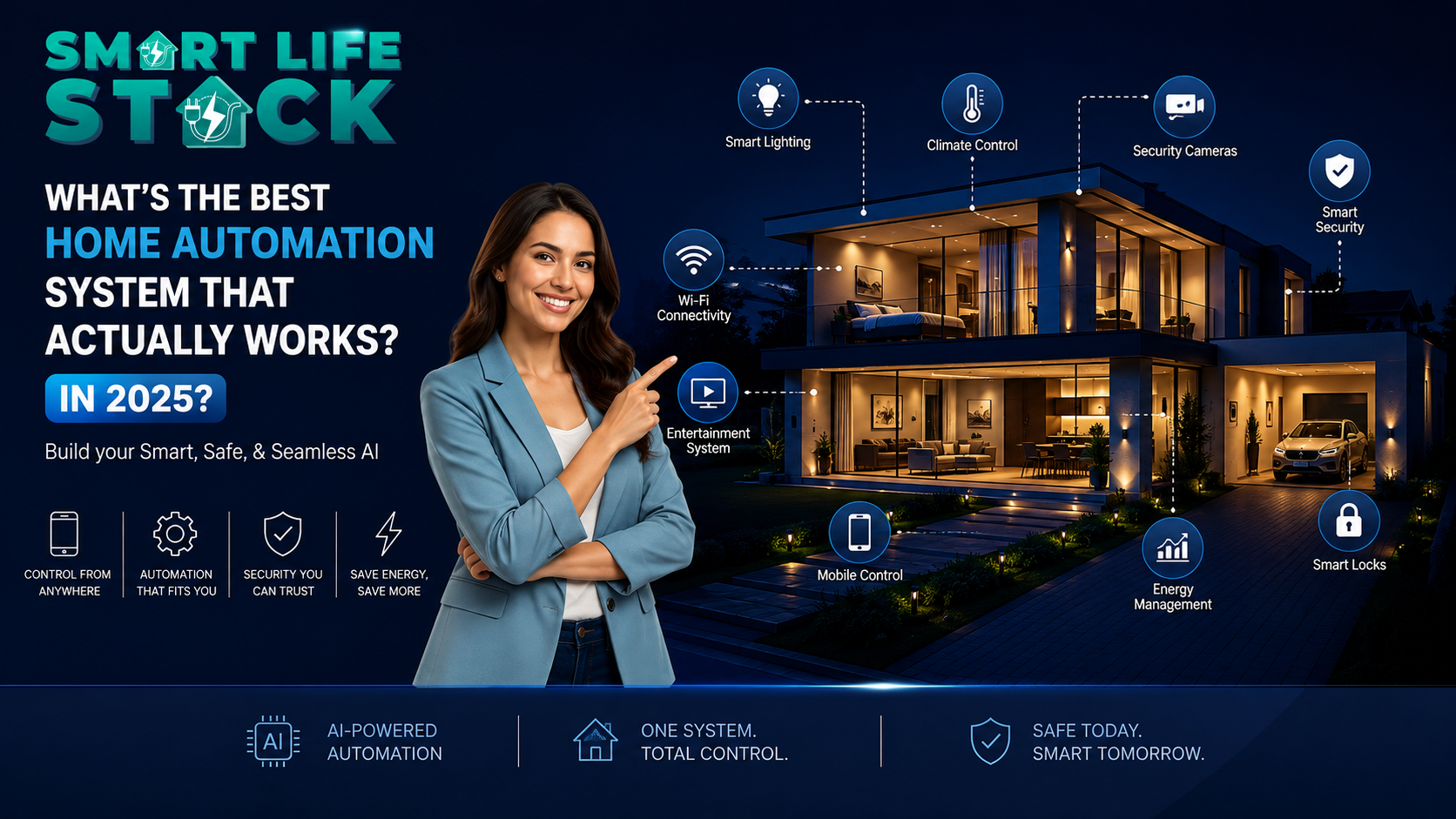
Lighting, curtains, and entry systems are all controlled from a single dashboard. No switching between apps. No separate systems for each function. Just one unified interface that makes management genuinely simple.
Control From Anywhere
With IoT-based automation, you don’t need to be in the office to manage it.
Turn lights on or off remotely. Adjust curtains from your phone. Monitor entry activity in real time. Change office settings before you’ve even arrived. For founders and managers constantly on the move or handling multiple sites, this flexibility provides a strong operational advantage.
Built Around Your Business, Not a Generic Template
Every office works differently. A good automation system reflects that.
Zone-based lighting, scheduled curtain control, employee-specific access levels, and preset modes for meetings or focus hours: these can all be configured to match how your specific team actually works.
The system shouldn’t just be smart. It should be relevant.
Real-Time Visibility
Live status of every device. Instant alerts if something’s off. Better data for energy management and space planning.
When systems are integrated and transparent, decision-making becomes simpler. You’re not guessing you’re working with actual information.
Why Mumbai Specifically is Moving Fast on This
Mumbai isn’t just busy; it’s competitive. Businesses here don’t have the luxury of inefficiency.
That’s probably why the demand for smart office setups has grown so noticeably here in the past few years.
Smart Spaces Are Now Expected
Companies used to see office automation as a premium add-on. Now it’s increasingly the baseline, especially in commercial buildings where tenants have real options.
Businesses want spaces that are faster, smoother, and easier to manage. Employees want environments that feel considered. Smart infrastructure has become part of what makes a workspace attractive.
Supporting Hybrid Work
The way we work has transformed, and this change is here to stay.
Hybrid teams need offices that work well on any given day, whether 30% of the team is in or 90%. It’s not security; it just gets the job done
First Impressions are First at the Door
The entrance serves as the initial point of contact for clients, candidates, and visitors, creating their first impression. A smooth, touchless, and thoughtfully designed entry sets the stage for the rest of their visit.
It’s a business concern.
Automated lighting and climate controls reduce consumption in meaningful ways. These systems help use energy only when a space is occupied and needed.
Over time, that translates into lower costs and a smaller footprint, both of which matter to investors, employees, and leadership.
Staying Aheadr
The offices that feel behind today are usually the ones that delayed investing in basics.
A well-automated workspace communicates something real: that the business is organized, efficient, and serious about how it operates. For clients visiting, for talent choosing where to work, and for a team that needs to function at its best, that matters.
Conclusion
They’re no longer just concrete and steel. They’re systems. And the best ones run quietly, efficiently, and responsively so the people inside them can focus on actual work in smartlifestack.com.
Office automation isn’t one big decision. It’s a series of thoughtful upgrades: smart lighting, curtain control, entrance systems, and unified management that together create a workplace that genuinely supports productivity.
For businesses in Mumbai, the case is straightforward. Less manual overhead. Better energy management. A more professional environment. And a workspace that’s ready for how people actually work today.
If you are starting with lighting or entrance systems or a whole integrated rollout, every step counts.
Frequently Asked Questions
1. What is office automation, and how does it work?
Computerized office automation is a strategy of controlling different parts of a workplace—room lighting, curtains, and access through sensors, IoT technologies, and centralization. No more having to replace switches with manual ones and having to make needless adjustments. All will now be automatically controlled depending on whether the rooms are used, the time of day, and preferences.
2. What are the benefits?
Higher productivity, reduced energy costs, enhanced security, and a more comfortable workplace. There’s also the intangible benefit of a place where people simply enjoy working in.
3. Can systems be customized?
Yes, and they should be. A good implementation is built around how your specific office functions. Zone-based lighting, scheduled controls, access levels, and preset modes—all of it can be configured to match your workflow.
4. Is it only for large companies?
Not at all. Small and mid-sized businesses in Mumbai often see the fastest returns because the inefficiencies being fixed are proportionally larger. You don’t need a 500-person office to benefit from occupancy-based lighting or smart entry systems.