What is Home Automation and Its Benefits?
Home automation powered by SmartLifeStack is transforming the way we live by delivering unparalleled convenience, enhanced security, and improved energy efficiency. Imagine adjusting your lights, thermostats, security cameras, and even appliances directly from your smartphone—that’s the promise of home automation. This rapidly growing trend makes modern homes more responsive to our unique needs and daily routines. In this article, we’ll explore the essence of home automation, its wide-ranging benefits, and how it can seamlessly upgrade your home into a truly smart environment.
Introduction to Home Automation
Bricks and mortar are no longer the only components of the modern home. With a few smartphone clicks, it can now react to our everyday activities. Automation is transforming daily life and making homes safer and smarter
The Basics of Home Automation
The use of technology to remotely control and keep an eye on your house’s operations is known as home automation. From a central control system or an app, you can protect your house, change the lights, alter the temperature, and even keep an eye on your energy consumption thanks to gadgets, sensors, and network connections..
How Home Automation Works
Home automation works by connecting different devices in your home so they can communicate with each other. You can control these devices through a mobile app, voice command, or a central system, making everyday tasks easier and more convenient.
Key Components of a Home Automation System
A home automation system mainly has three important parts: sensors, controllers, and actuators. Sensors: Detect environmental changes such as motion, light, or temperature. Controllers: Process sensor data and determine the appropriate response. Actuators: Execute actions like turning on lights, adjusting thermostats, or locking doors.
Types of Home Automation Systems
Centralized Automation: All devices are managed from a single main system or control panel. App-Based Automation: Devices are controlled remotely through a mobile app on a smartphone or tablet. Cloud-Based Automation: Devices connect to the internet, enabling control from anywhere and integration with various platforms
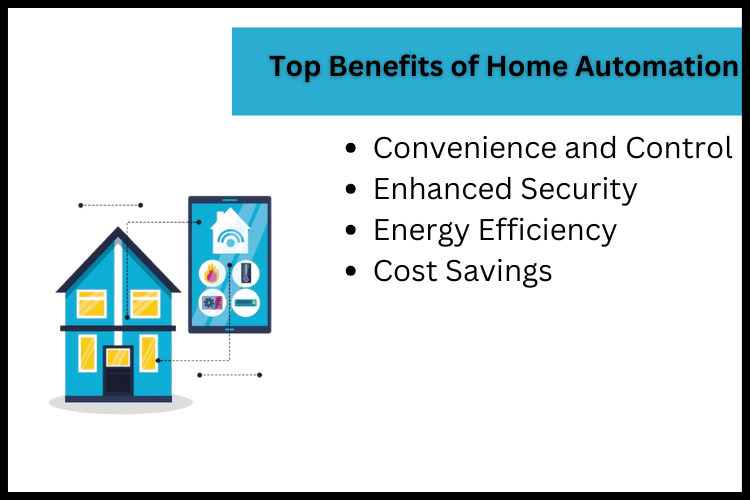
Top Benefits of Home Automation
Convenience and Control
Home automation simplifies daily tasks by allowing you to control lights automation, doors, and appliances directly from your phone, even while relaxing in bed
Enhanced Security
Your home is protected by cameras, sensors, and alarms. You can monitor your property anytime and receive instant alerts on your phone
Energy Efficiency
Intelligent devices like smart lights and thermostats use energy efficiently by turning off when not needed, reducing waste, and benefiting the environment.
Cost Savings
By minimizing energy consumption, home automation can significantly lower your electricity bills over time
Increased Property Value
Homes equipped with smart features are more appealing to buyers, potentially raising your property’s market value.
Common Home Automation Devices and Systems
Smart Thermostats
Smart thermostats automatically adjust temperature settings based on your preferences and schedule, enhancing comfort while saving energy. They are highly popular for their efficiency benefits
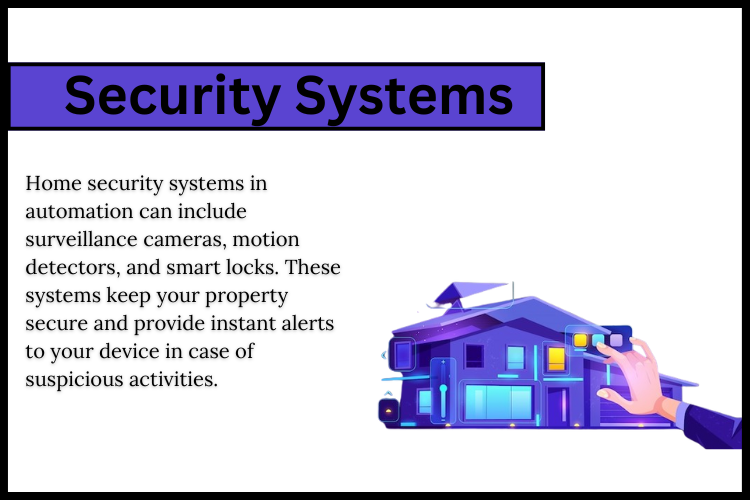
Security Systems
Automated security includes surveillance cameras, motion detectors, and smart locks. These devices help protect your home and send instant alerts to your phone if any suspicious activity is detected
Smart Appliances
Household appliances like refrigerators and washing machines now often feature smart technology, enabling remote control and monitoring to make daily tasks more convenient.
How to Get Started with Home Automation
Planning Your Home Automation Setup
Planning Your Home Automation Setup Begin by identifying what you want to automate, such as lighting, security, temperature, or entertainment. Establish a budget and select devices that align with your lifestyle and needs.
Choosing the Right Devices
With many options available, choose devices that are user-friendly and compatible with each other. Many start with a smart speaker or app as a central controller and gradually add more devices over time.
Is Home Automation Right for You?
Home automation suits those seeking increased comfort, enhanced security, and energy savings. However, assess your needs and budget carefully before committing.
The Future of Home Automation
The technology is rapidly advancing. Future smart systems will learn your habits to provide an even more intuitive and efficient home experience.
Environmental Impact of Home Automation
Automation helps conserve energy and protect the environment by operating devices only when necessary. For instance, smart irrigation systems adapt to weather conditions to save water, and smart plugs turn off unused electronics. This makes smart homes an excellent choice for eco-conscious living, contributing to reduced energy consumption and pollution over time.
This makes smart homes a good choice for people who want to live in a more eco-friendly way. Over time, more smart homes can help reduce energy use and pollution, creating a better future.
Conclusion
Smart Home automation has moved beyond being just a futuristic concept; it’s now an integral part of daily living. It enhances convenience, security, and energy efficiency in your home. By using smart devices, you can effortlessly control lighting, temperature, and security systems tailored to your needs. This technology is transforming how we live, making homes more comfortable, safer, and easier to manage. If you’d like, I can help you explore smart home options or get started with automation in your own home.
Frequently Asked Questions
Q1.What are the main benefits of home automation?
Home automation provides convenience, energy efficiency, enhanced security, and remote access. It enables users to automate daily tasks, reduce energy consumption, monitor security remotely, and customize their home environment for greater comfort.
Q2.Is home automation compatible with all devices?
Not all devices are compatible with every home automation system. It’s important to verify compatibility with your chosen platform, such as Alexa, Google Home, or Apple HomeKit. Many modern smart devices support multiple platforms, but compatibility varies.
Q3.Is home automation secure?
Yes, home automation systems are secure when correctly installed and configured. Devices often feature encryption and password protection to prevent unauthorized access. Maintaining security also involves regularly updating software and using strong, unique passwords..
Q4.What is home automation, and how does it work?
Home automation is a system that allows remote or automatic control and monitoring of household devices like lights, security cameras, thermostats, and appliances. It operates via connected devices communicating over Wi-Fi, Bluetooth, or other networks to create a seamless, hands-free user experience.